
To implement the education initiative for the Belt and Road Initiative and solidly advance the university’s key task of "Vocational Education Going Global", a delegation led by Pu Bingyuan, university executive leader, embarked on an overseas exchange visit to Bangladesh from September 21 to 25, 2026, and staged the 12th Belt and Road International Cultural and Art Week (Dhaka Session). Centered on the theme Mutual Learning of Civilizations · Interwoven Ties, the event was hosted by our university under the guidance of the Chinese Embassy in Bangladesh. Partnering with Bangladeshi textile and garment institutions, the Chinese Enterprises Association in Bangladesh and local Confucius Institutes, the university rolled out a series of activities including the signing ceremony for the joint development of the Leizu Academy, themed art workshops, higher education forums, cultural exhibitions for diplomatic occasions, and industrial and enterprise field research. Taking textile culture as the bond, the event shared high-quality vocational education resources and intangible cultural heritage (ICH) achievements of China, delivering tangible cooperation outcomes between China and Bangladesh in vocational education, people-to-people and cultural exchanges, and industrial talent matching.
The textile and garment sector serves as Bangladesh’s pillar industry, with ready-made garment exports accounting for over 80% of the country’s total merchandise exports. It also constitutes a vital anchor for China-Bangladesh economic and trade cooperation. Ge Zhenyu, President of the Textile and Garment Branch of the Chinese Enterprises Association in Bangladesh, remarked that the textile and garment industry has built a broad platform for industrial coordination and people-to-people exchanges between the two nations.
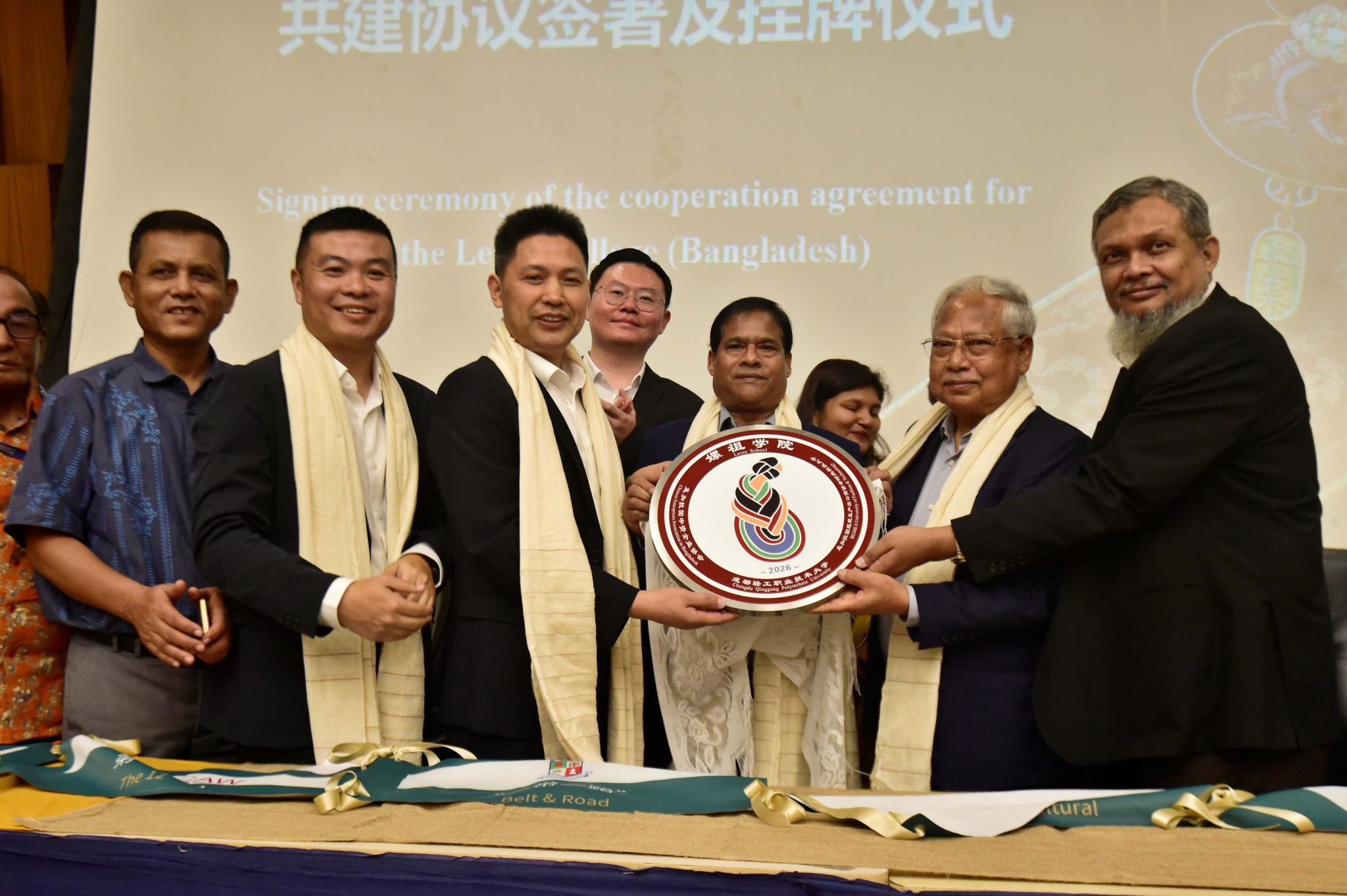
On September 22, the opening ceremony of the 12th Belt and Road International Cultural and Art Week (Dhaka Session) took place at the Bangladesh University of Fashion and Technology (BUFT). During the ceremony, Chengdu University of Light Industry, Bangladesh University of Fashion and Technology and the Chinese Enterprises Association in Bangladesh signed a cooperation agreement to jointly build the Leizu Academy, followed by an unveiling ceremony. Leveraging this overseas cooperation platform, the three parties will jointly carry out practical programmes such as educational exchanges, joint training of textile professionals and vocational skill training. Ayub Nabi Khan, Vice-Chancellor of Bangladesh University of Fashion and Technology, stated in his address that he looked forward to using textile culture as a bridge to continuously consolidate the foundation of China-Bangladesh people-to-people exchanges. At the opening venue, our university put on display costumes and creative design works featuring Shu brocade and Shu embroidery, showcasing its educational achievements in inheriting and innovating textile intangible cultural heritage.
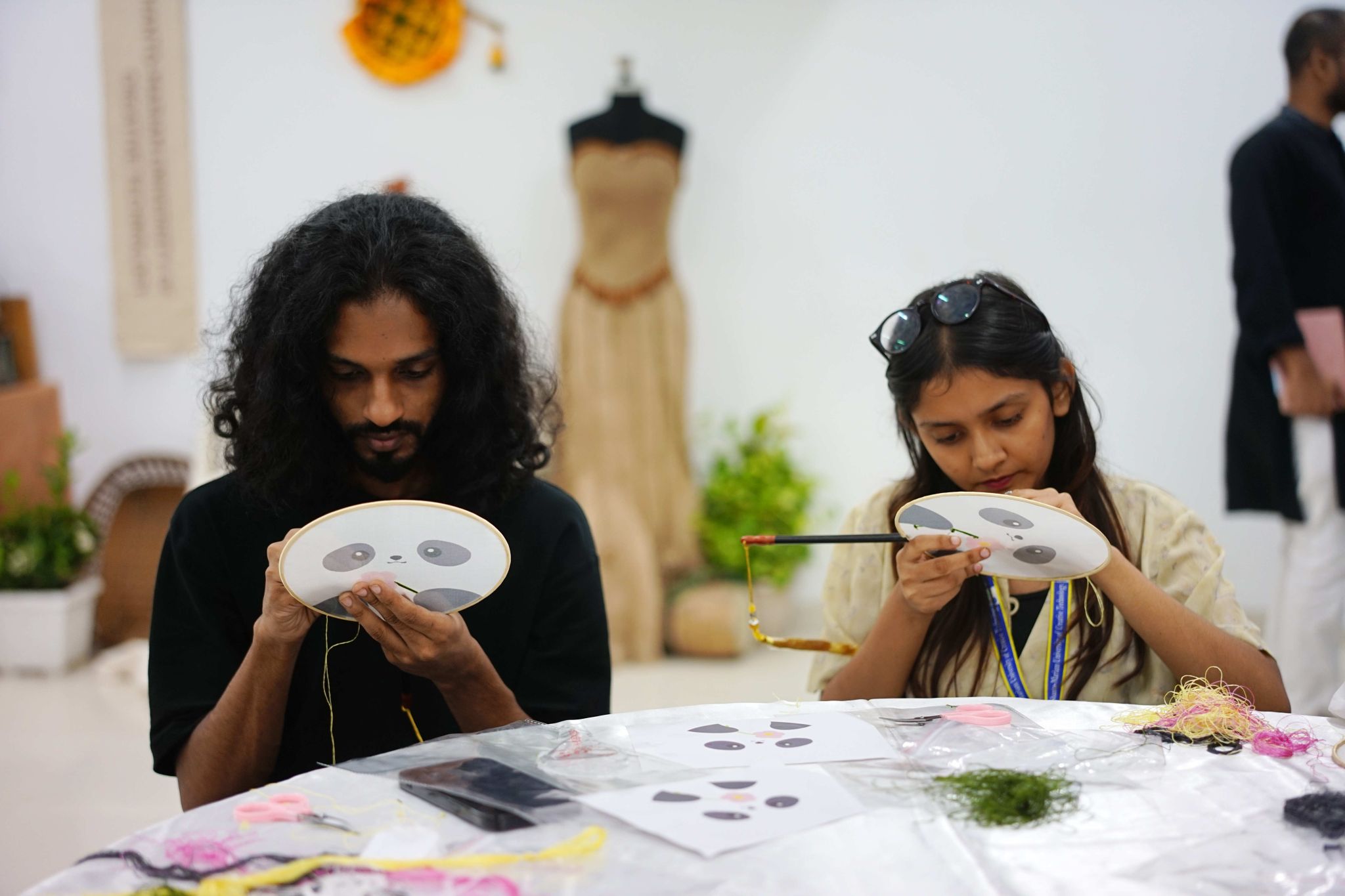
Immediately after the opening ceremony, the first themed art workshop — the Exchange Workshop on Chinese Textile and Garment ICH Crafts — commenced. Faculty members from our university gave live demonstrations of traditional Chinese textile crafts including batik, Shu brocade, weaving and Shu embroidery, engaging in face-to-face exchanges with indigenous textile crafts of Bangladesh. Teachers, students and industry practitioners from Bangladeshi institutions took an active part in hands-on sessions. Both sides conducted in-depth discussions on the living inheritance and contemporary innovative transformation of textile ICH, giving full play to our university’s disciplinary strengths to advance mutual learning between the two countries’ traditional crafts.
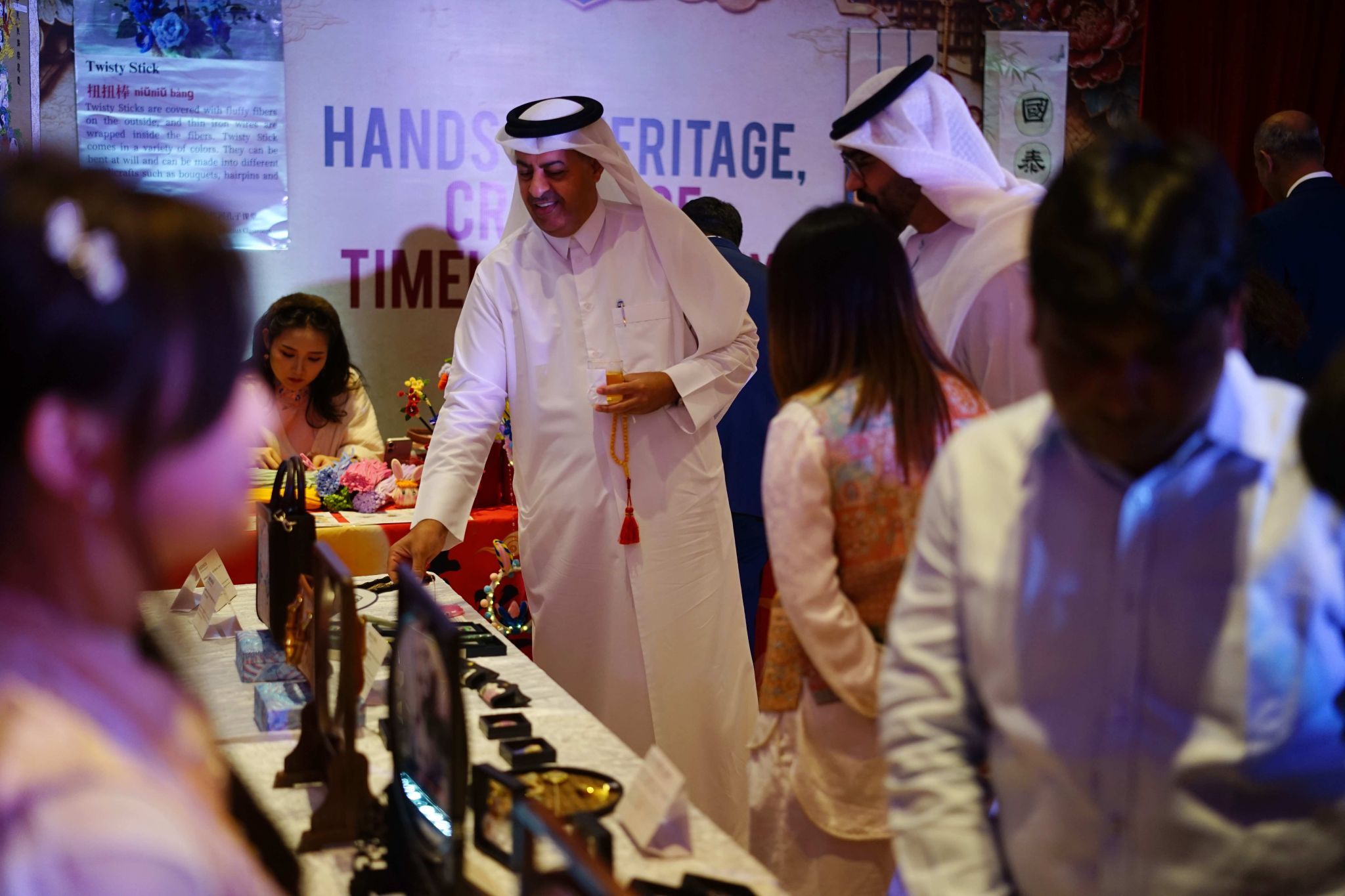
In the afternoon of the same day, the second art workshop Traditional Chinese Attire and Traditional Bangladeshi Attire was held at Shanto-Mariam University of Creative Technology (SMUCT). Combining physical exhibits, case analysis and live demonstrations, the instructors interpreted the cultural connotations, craft features and modern design transformation paths of traditional Chinese clothing, and conducted comparative exchanges with Bangladeshi indigenous costume culture. Teachers and students present immersed themselves in the artistic charm of costumes from both countries and exchanged views on costume creative design and the practical activation of intangible heritage. In the evening, the delegation attended the Mid-Autumn Festival Reception hosted by the Chinese Embassy in Bangladesh by invitation. Our university set up an exclusive exhibition booth displaying Shu brocade and Shu embroidery costumes and cultural and creative products, alongside showcases of school achievements and international student recruitment promotion. An ICH handicraft experience zone was also arranged. Selected ICH artworks were presented as lucky draw souvenirs at the reception, bringing textile intangible heritage culture into diplomatic exchanges.
On September 23, the delegation visited the Confucius Institute at North South University for a forum. They held discussions with the Chinese director, observed Chinese language classes, and exchanged ideas on Chinese language teaching practice, "Chinese + vocational education" cooperation and China-Bangladesh student and faculty exchanges. A youth salon titled Stories of Chengdu and Dhaka was held concurrently, hosted by our university’s teachers. Young students from both countries engaged in dialogues on urban landscapes and campus life, fostering greater mutual understanding and friendship among youth groups. The third art workshop on traditional costumes followed, focusing on practical topics such as modern design practice for traditional garments and the industrial application of ICH crafts. The university shared its educational practice and industry experience, further elevating the international profile of its textile and apparel programmes. That evening, the delegation participated in the National Day event hosted by the Chinese Embassy in Bangladesh, setting up a cultural exhibition area, organizing handicraft interactive sessions, and distributing school brochures and distinctive cultural and creative gifts to present the university’s features to guests.
On September 24, the delegation conducted site visits to two leading Chinese-invested textile and garment enterprises in Bangladesh, BNM Garments Industry Limited and Ha-Meem Group. They toured production workshops to study the development of Bangladesh’s textile industry, understand the operation of Chinese enterprises overseas, and identify the real demand of the industry for international textile skilled personnel. On the same day, faculty and students from our university joined the Dhaka China Day event at East West University, exhibiting Shu brocade and Shu embroidery works and offering Chinese knot handicraft workshops, while promoting the university and international student admission. The diverse Chinese ICH experience activities drew enthusiastic participation from numerous local students and industry representatives.
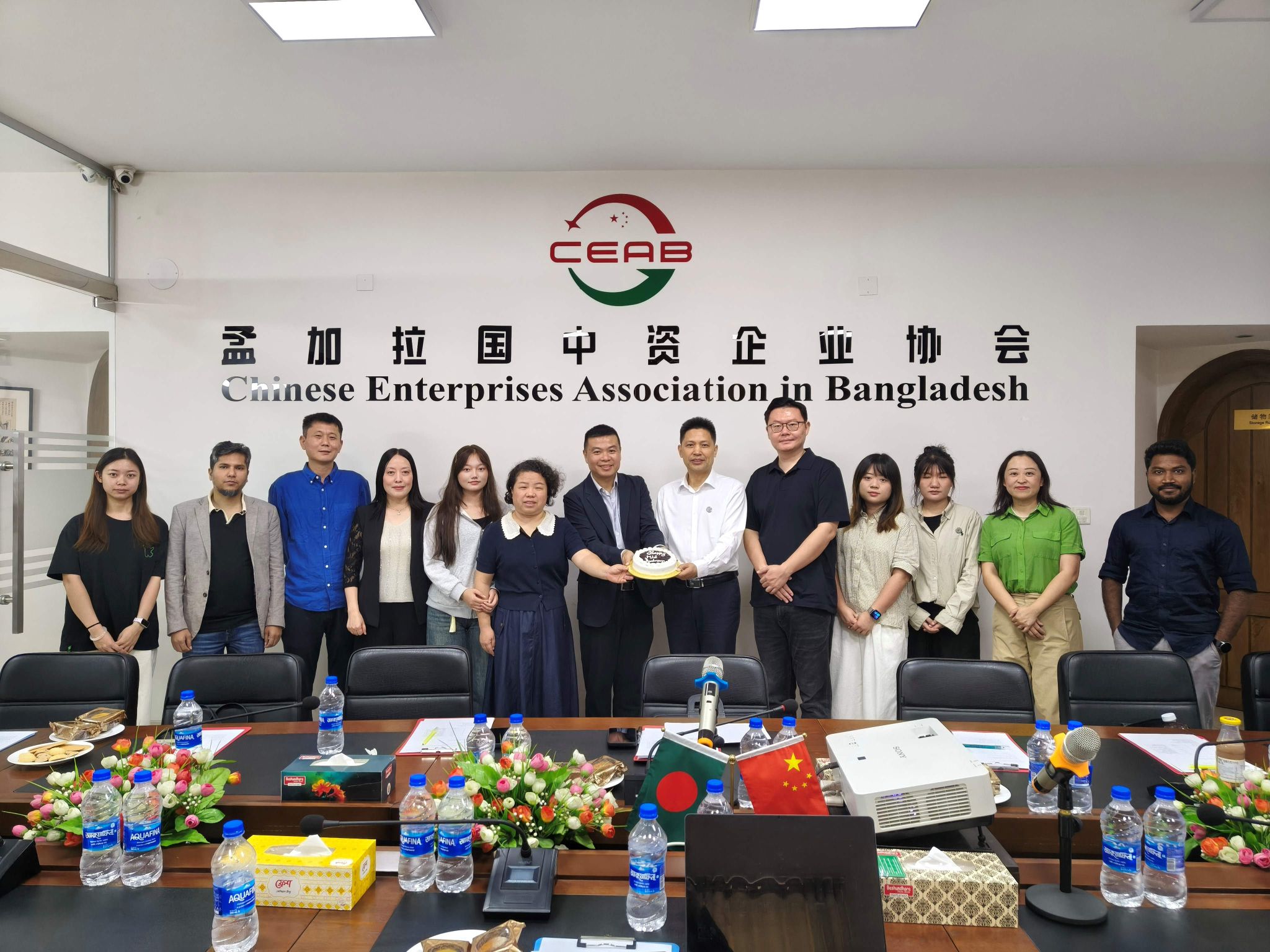
Towards the close of the event, a special wrap-up forum was convened at the Chinese Enterprises Association in Bangladesh. Participants systematically reviewed the outcomes of the Art Week, and engaged in in-depth consultations on topics including the development trend of Bangladesh’s textile and garment industry, skill requirements of Chinese enterprises operating locally, training of interdisciplinary international technical and skilled talents, alignment of Chinese vocational education with local industrial needs in Bangladesh, and collaborative models among universities, enterprises and training institutions. Clear directions for multi-field cooperation in the next phase were defined.
The 12th Belt and Road International Cultural and Art Week (Dhaka Session) marks a landmark initiative for our university to consolidate and strengthen the overseas platform of the Leizu Academy and advance "Vocational Education Going Global". By taking themed art workshops as the vehicle for cultural communication and the signing and unveiling of the Leizu Academy as the entry point for vocational education cooperation, the university achieved integrated progress in three dimensions: external dissemination of intangible cultural heritage, collaborative development of vocational education, and field research on industrial demands. On one hand, it tells the stories of China’s textile ICH represented by Shu brocade and Shu embroidery; on the other hand, it exports localized vocational education experience. The university contributes the wisdom and strength of Chengdu University of Light Industry to the high-quality development of the Belt and Road Initiative and the building of a China-Bangladesh community with a shared future.


